Manual Handler Training
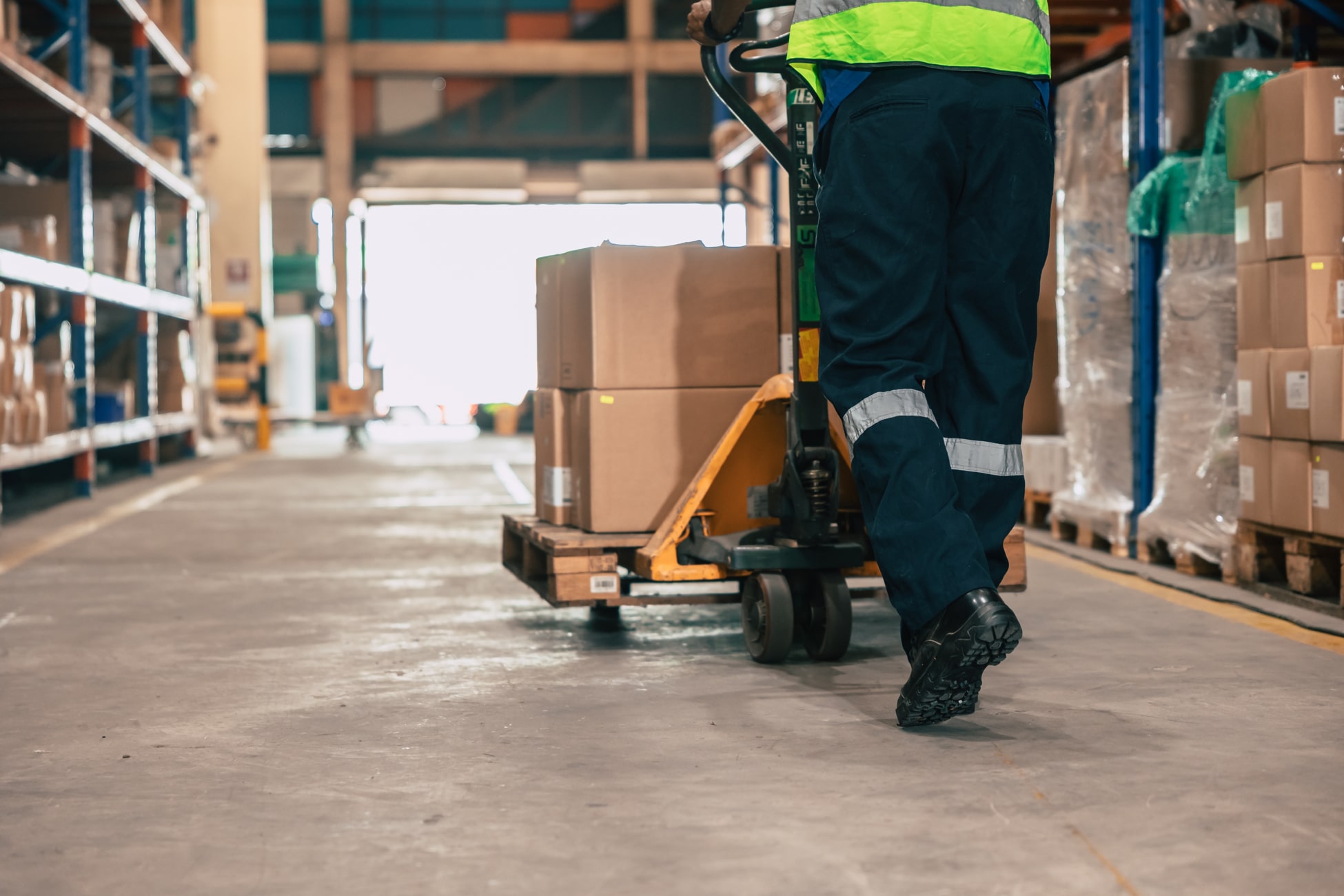
Course Introduction
We specialise in the training of handlers. We have run sessions for pretty much any sector and task you can think of – from construction, office, manufacturing, education and transport through to more unusual areas such as Formula One mechanics! We adapt the session to suit your needs in terms of duration and content. Courses typically last from 2 to 4 hours, but whole day sessions can be arranged for higher risk groups.
Key benefits of this training:
- Highly experienced instructors
- Delivered in a participative and interesting manner, designed to encourage involvement
- Can be adapted to suit your needs – in terms of duration and the loads / tasks which are focussed upon
- Contributes to fulfilling your legal obligations
- Can be used to motivate staff and show them the individual benefit of adopting good practice
Our approach is different…
Alistair Bromhead Ltd always avoids the traditional – herd the participants into a room, show them how to lift a box and get them to sign a form – approach. The course will be run in a participative manner to get involvement and emphasise the personal benefits of taking action. Typical topics include:
- Injuries associated with manual handling
- A simple overview of the anatomy of the lumbar spine – re-emphasises personal implications of good and bad technique
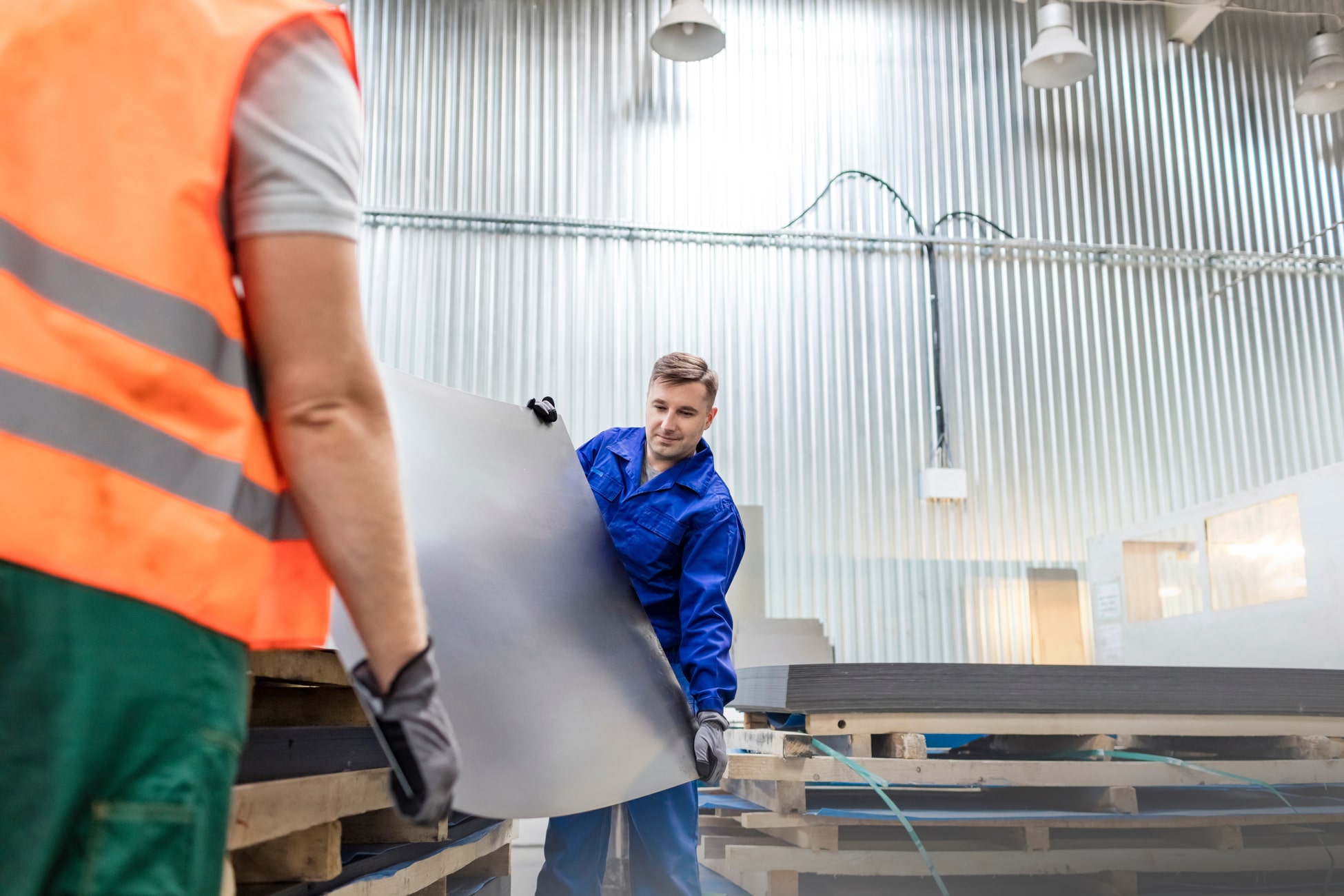
- Team handling
- Good handling technique
- Practical handling exercises with a range of representative loads
All of our handler trainers have successfully completed the City & Guilds Manual Handling Train the Trainer course and they have many years of practical experience as well as a background in training.
Pricing
Aimed At
The course is suitable for a wide range of staff from those with obvious work related handling tasks through to sales and office staff who may appear to have much less manual handling involved in their work related activities. All are vulnerable to manual handling injuries (whether at work or at home), so all will benefit from a knowledge of good technique.