
Common mistakes in manual handling training
Manual handling training is a potentially effective way to reduce workplace injuries, but not all training delivers the results it should. Having delivered manual handling and Train the Trainer courses for many years, we regularly see the same avoidable mistakes cropping up. Here are three of the most common.
- Failing to Cater for a Range of Learning Styles
A course that is all theory, or all practical, is unlikely to make a lasting impact. Delegates need the underpinning theory to understand the logic behind good technique and develop a genuine desire to learn. However, theory alone rarely changes behaviour. It must be paired with hands-on practical sessions allowing delegates to put that theory into practice, receive feedback, and build the muscle memory that keeps them safe once they are back on the job. A well-designed course blends both elements so that the learning sticks, rather than being forgotten as soon as the delegate leaves the room.
- Taking a One Size Fits All Approach
No two workforces handle loads in the same way, so no two courses should look identical. Training needs to be adapted to the nature of the handling that operators actually carry out. A course for predominantly office-based staff, for example, is likely to be shorter and involve far less in the way of practical handling and risk assessment of content than one designed for staff with physical, load-bearing duties. Generic, off-the-shelf training that ignores these differences risks either boring delegates with irrelevant content or, more seriously, leaving them under-prepared for the risks they face day to day in the workplace.
- Assuming Training is Always the Answer
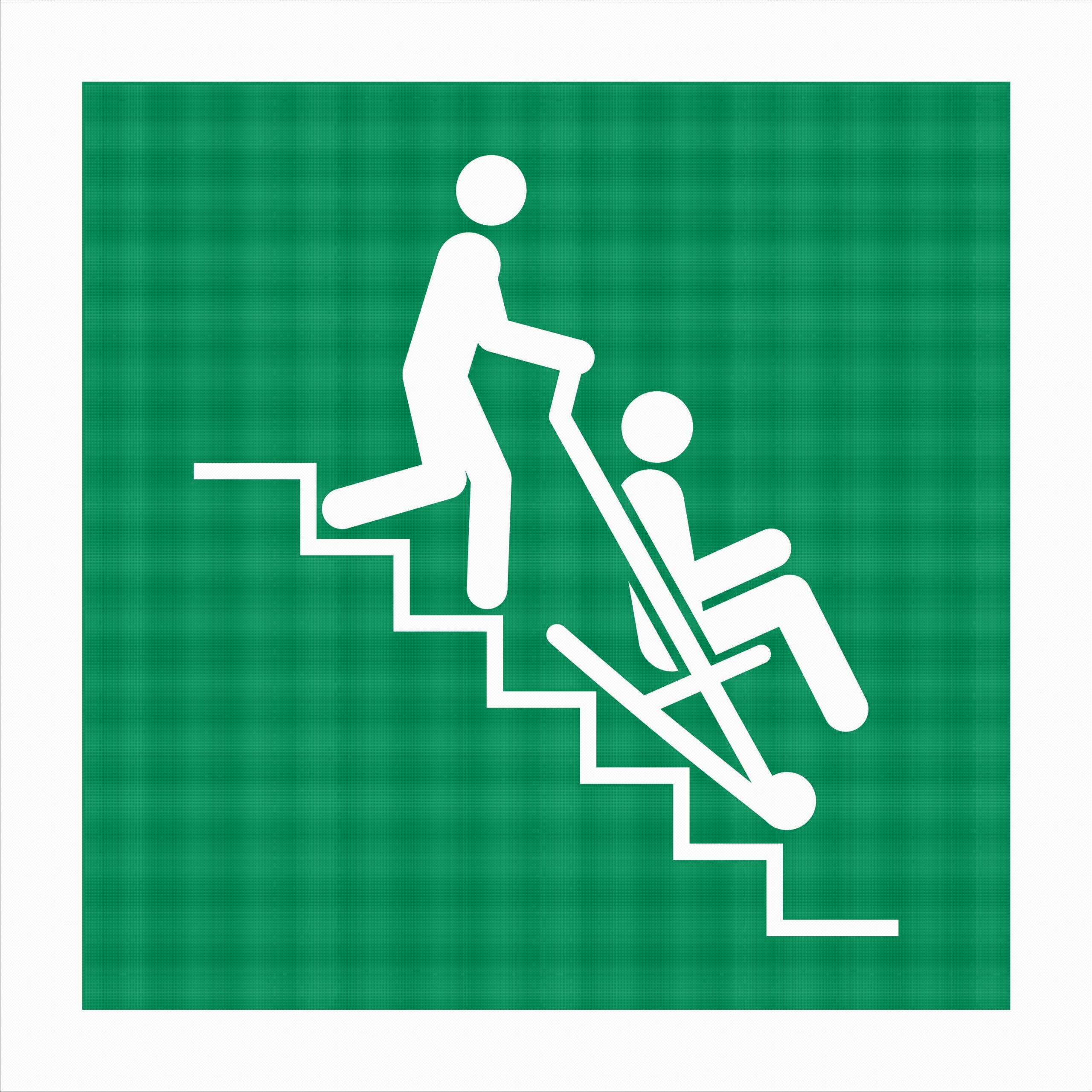
Perhaps the most important mistake to flag is assuming that manual handling training is always the right solution. We regularly come across instances where companies want training courses for tasks that, frankly, should not be undertaken manually at all. There are some workplace situations that call for automation or the introduction of manual handling aids, rather than yet more instruction on technique. The HSE’s guidance is clear that the hierarchy of controls should always be considered first: avoid hazardous manual handling where reasonably practicable, assess the risk of any handling that cannot be avoided, and reduce the risk of injury through appropriate means. If a hazard can be removed altogether, training alone is never the right answer.
Effective Manual Handling Training
Effective manual handling training blends theory with hands-on practice, is tailored to the people receiving it, and is only applied when training is genuinely the right solution.
If you would like to discuss tailored manual handling training for your organisation, or would like advice on whether training is the right solution for your handling tasks, get in touch: info@abromhead.co.uk.